
Вступление
Pour over coffee has gained immense popularity among coffee enthusiasts for its ability to produce a clean, flavorful cup of coffee. This manual brewing method allows for greater control over the brewing process, resulting in a superior taste compared to automatic drip machines. In this comprehensive guide, we’ll walk you through everything you need to know to master the art of pour-over coffee brewing.
Equipment Needed
To get started with pour-over coffee, you’ll need the following equipment:
Gooseneck Kettle
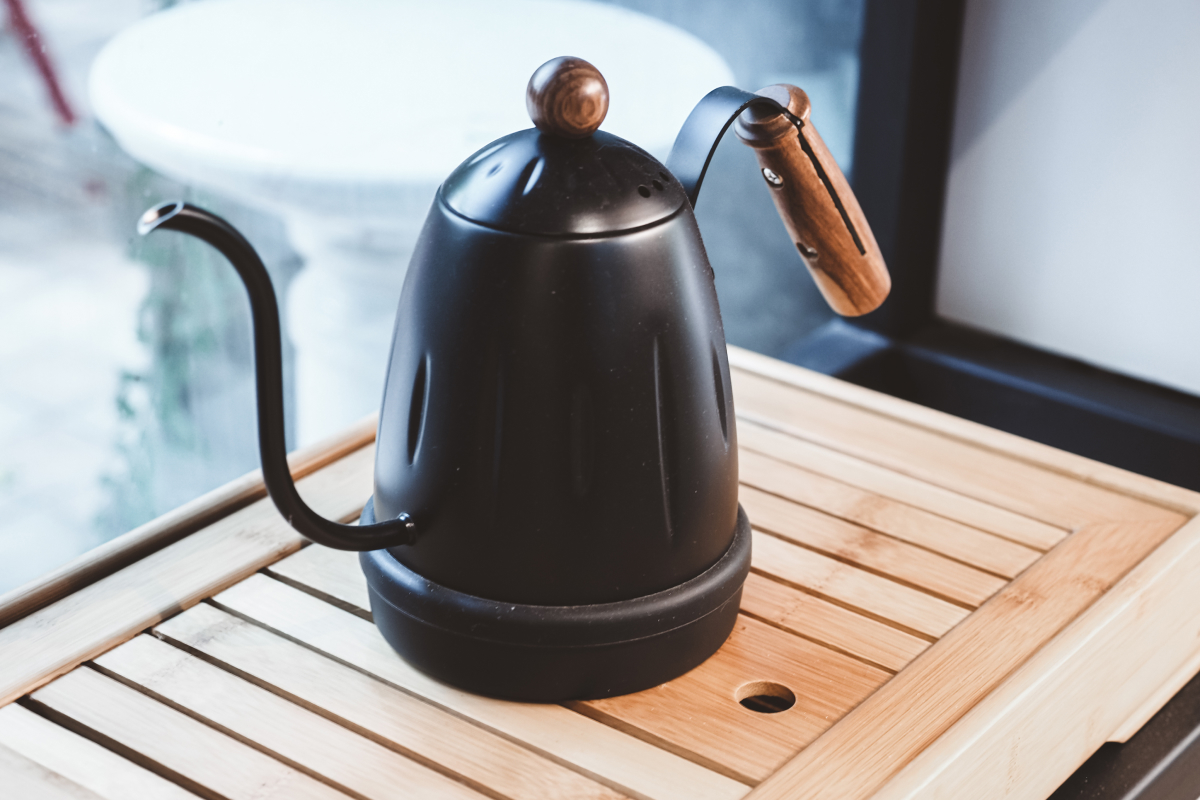
A gooseneck kettle is essential for precise pouring control. The thin, elongated spout allows you to direct the water flow and maintain a consistent pour rate. Popular choices include the Hario V60 Buono Kettle and the Fellow Stagg EKG Electric Kettle.
Pour Over Dripper

Pour over drippers come in various materials, such as ceramic, glass, and metal. Each material has its own unique characteristics that can affect the flavor of your coffee. Some popular brands include:
- Hario V60: Known for its conical shape and spiral ribs, promoting even extraction.
- Kalita Wave: Features a flat bottom and three extraction holes for a balanced brew.
- Chemex: Combines a pour over dripper and carafe in one elegant glass design.
Coffee Filters
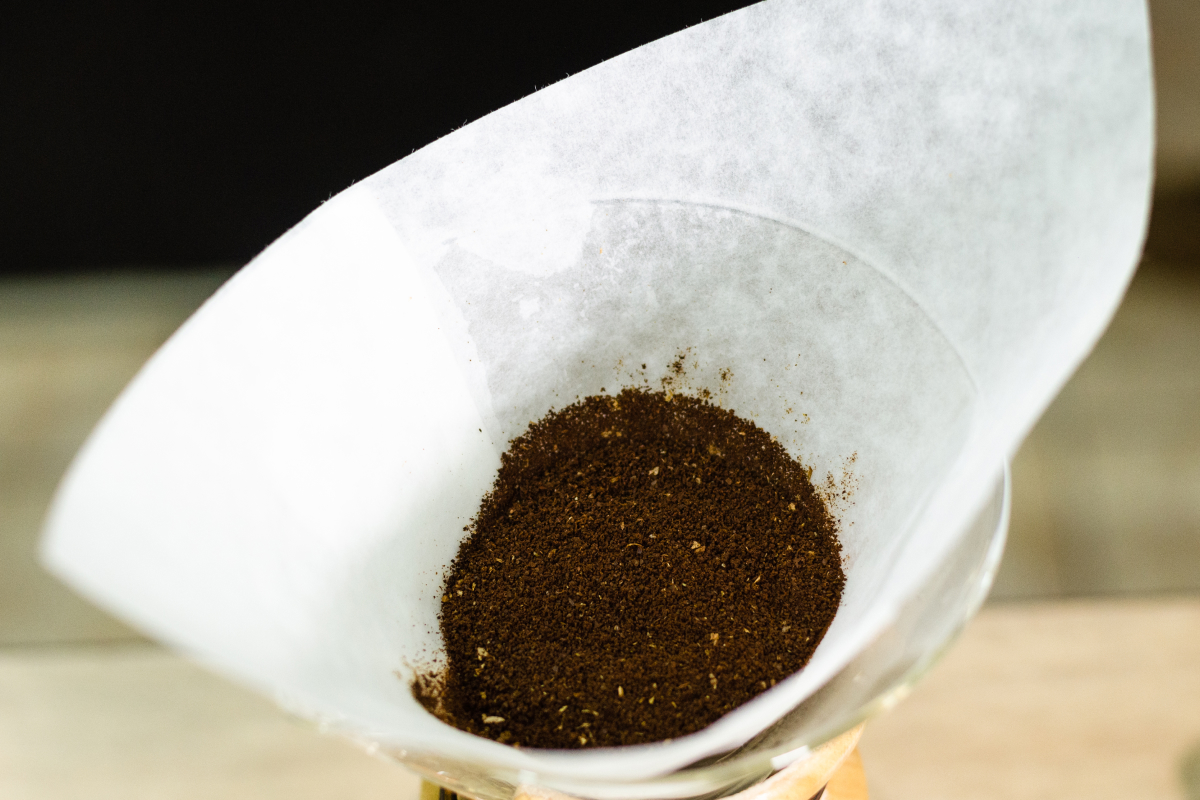
You can choose between paper and metal filters for your pour over setup. Paper filters produce a cleaner cup with less sediment, while metal filters allow more oils and flavors to pass through. Filter shapes and sizes vary depending on your dripper, so make sure to select the appropriate filters.
Coffee Grinder
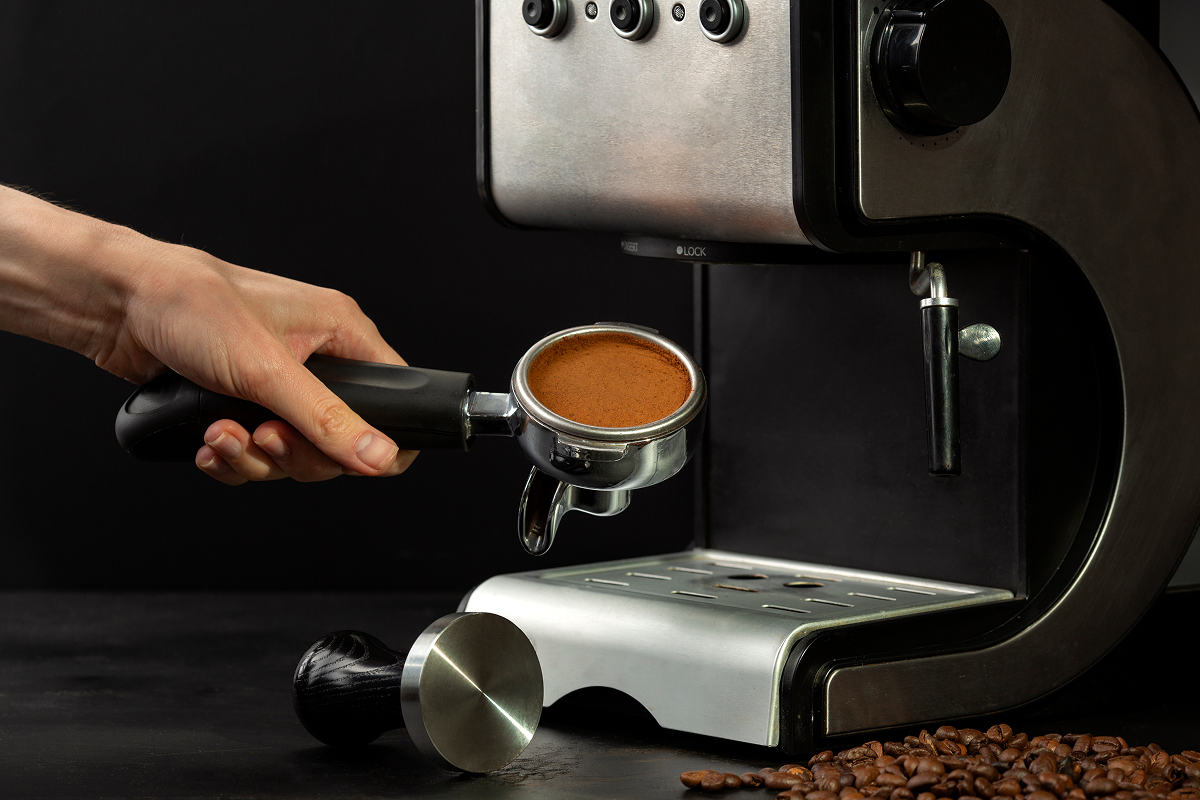
Freshly ground coffee is crucial for optimal flavor. Burr grinders are preferred over blade grinders as they produce a more consistent grind size. Some recommended burr grinders include the Baratza Encore and the Timemore C2.
Scale
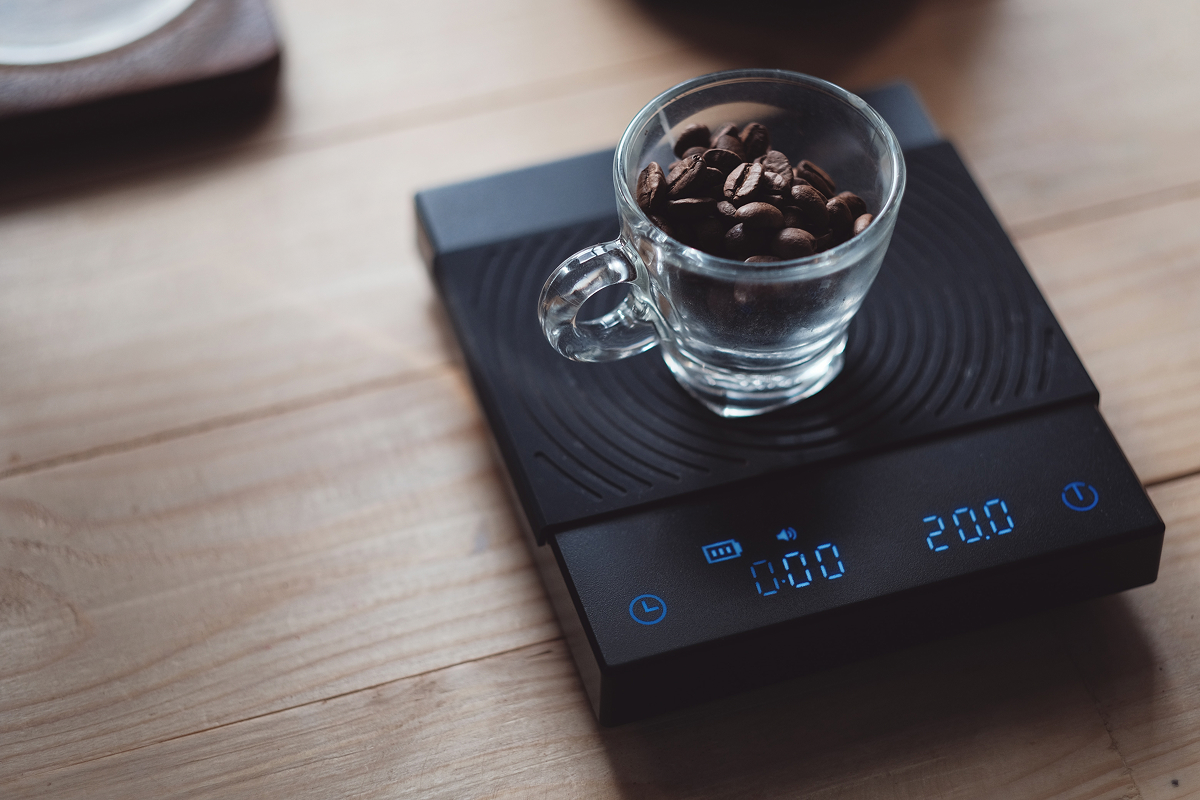
A scale ensures precise measurements for both coffee and water. Digital scales are more accurate and easier to read than manual scales. Look for a scale with a tare function and a resolution of at least 0.1 grams.
Choosing the Right Coffee
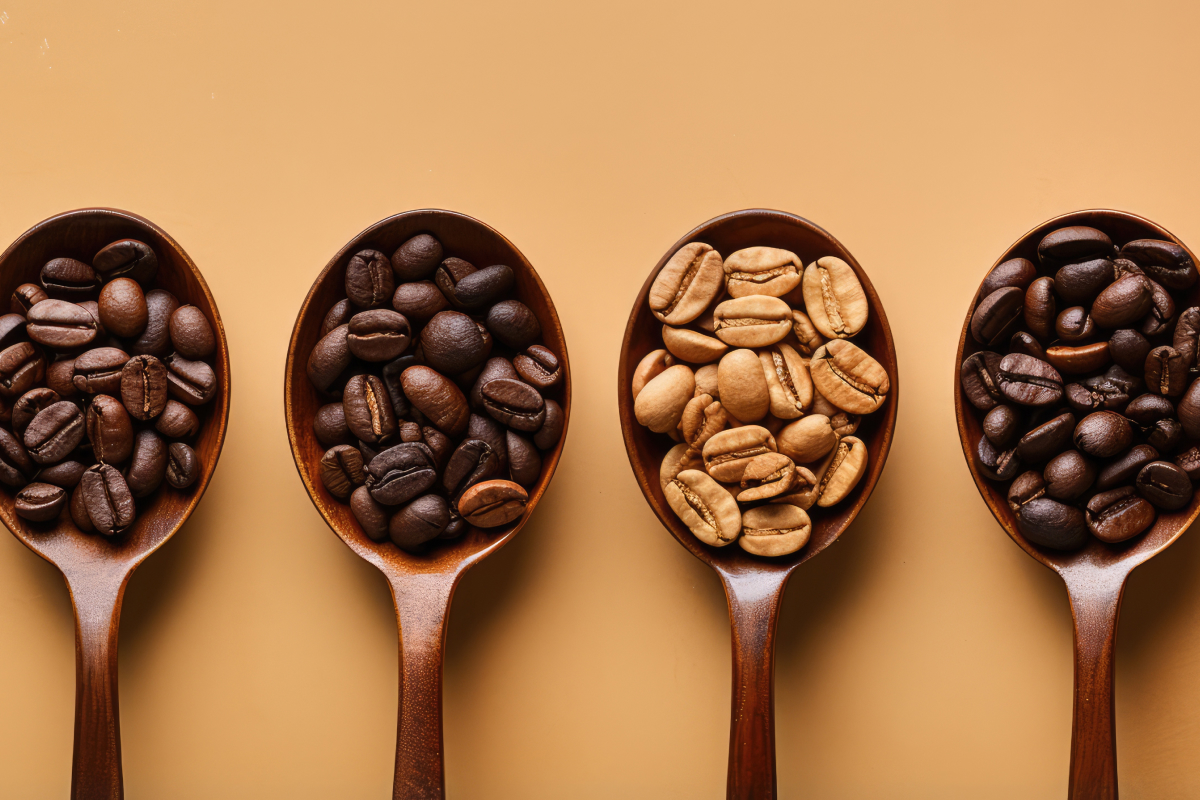
The quality of your coffee beans significantly impacts the taste of your pour over. Consider the following factors when selecting your coffee:
- Single origin vs. blends: Single origin coffees showcase the unique flavors of a specific region, while blends combine different origins for a balanced taste profile.
- Roast levels: Light roasts highlight the coffee’s natural flavors, medium roasts offer a balance of flavors and acidity, and dark roasts have a bolder, more robust taste.
- Coffee freshness: Coffee beans are best consumed within 2-3 weeks of roasting. Look for coffee with a clear roast date on the packaging.
The specialty coffee industry has seen significant growth in recent years. According to the National Coffee Association, 50% of U.S. adults drink specialty coffee daily.
Grinding Your Coffee
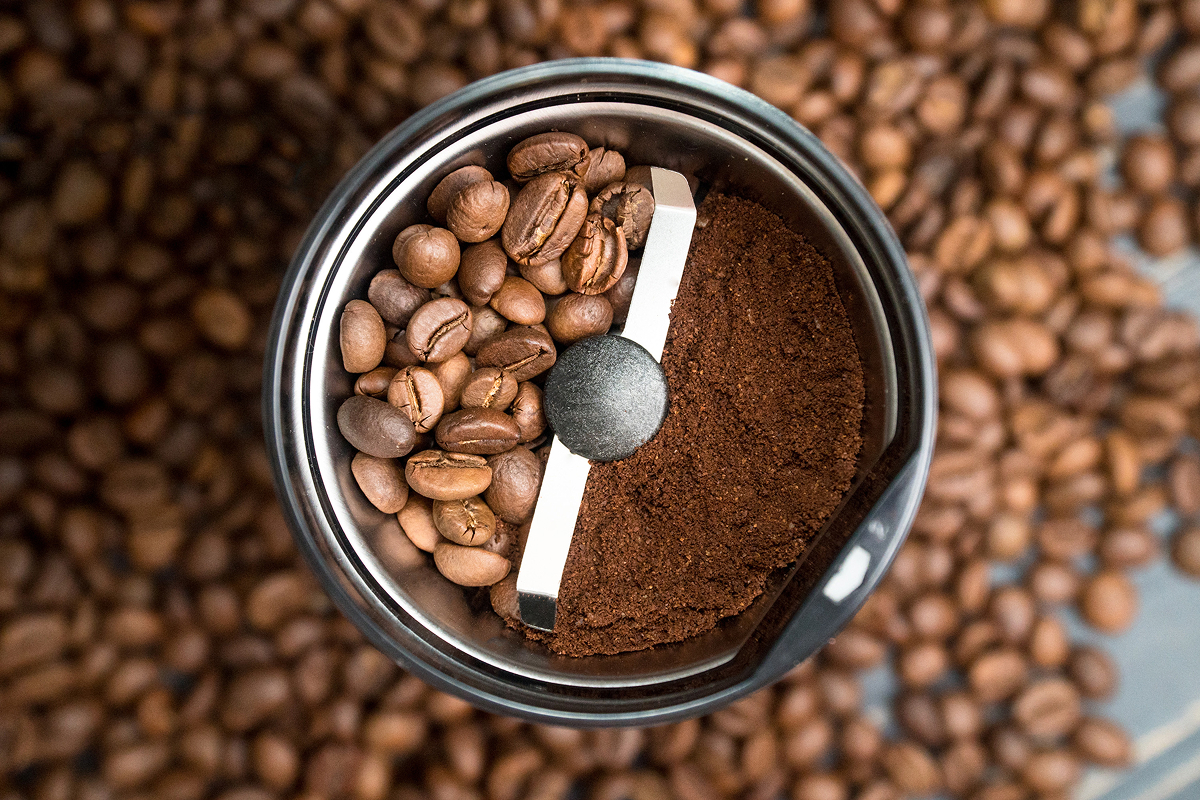
The grind size plays a crucial role in the extraction process. For pour over coffee, a medium-fine grind is generally recommended. However, the ideal grind size may vary depending on your specific dripper and filters. Experiment with slightly adjusting the grind size to fine-tune your brew.
Always grind your coffee just before brewing to ensure maximum freshness and flavor.
Water Quality and Temperature
The quality of your water can greatly affect the taste of your coffee. Use filtered water to remove any impurities or unwanted flavors. The ideal water temperature for pour over coffee is between 195-205°F (90-96°C). If the water is too hot, it can lead to over-extraction and bitterness, while water that’s too cool may result in under-extraction and a weak flavor.
A typical water to coffee ratio for pour over is 16:1, meaning 16 parts water to 1 part coffee. For example, 400ml of water to 25g of coffee.
Step-by-Step Brewing Guide
- Place your paper filter in the pour over dripper and rinse it with hot water to remove any paper taste and preheat your dripper and carafe.
- Measure your desired amount of coffee beans and grind them to a medium-fine consistency.
- Place the dripper on your mug or carafe and add the ground coffee to the filter.
- Tare your scale with the dripper, mug/carafe, and ground coffee.
- Start your timer and begin pouring water slowly over the grounds, aiming for even saturation. This initial pour, known as the blooming pour, should take about 30-45 seconds and use twice the amount of water as coffee (e.g., 50g water for 25g coffee).
- After the blooming pour, continue pouring water in steady, concentric circles. Pour in stages, allowing the water to drawdown between each pour. The total brewing time should be around 3-4 minutes.
- Once the desired amount of water has been poured and the drawdown is complete, remove the dripper and enjoy your pour-over coffee.
| Pour Stage | Water Amount | Time |
|---|---|---|
| Blooming | 2:1 ratio | 30-45 sec |
| Secondary | 60% of the remaining water | 45-60 sec |
| Final | Remaining water | 60-90 sec |
Common Pour Over Techniques
- Pulse pouring: Pour water in short, controlled pulses to maintain a consistent water level in the dripper.
- Continuous pouring: Pour water in a slow, steady stream for even extraction.
- Rao spin: During the blooming phase, gently stir the grounds to ensure even saturation.
- Agitation: Stir the grounds during the brewing process to promote even extraction.
Troubleshooting and Tips
If you find your pour over coffee too bitter, acidic, or weak, try adjusting the following variables:
- Grind size: A finer grind can lead to over-extraction (bitterness), while a coarser grind can cause under-extraction (weakness).
- Water temperature: Higher temperatures can increase extraction, while lower temperatures may result in under-extraction.
- Pour technique: Ensure even saturation of the grounds and avoid pouring water directly onto the filter walls.
To maintain consistent results, keep your equipment clean and store your coffee beans in an airtight container in a cool, dark place.
Pour Over Variations and Recipes
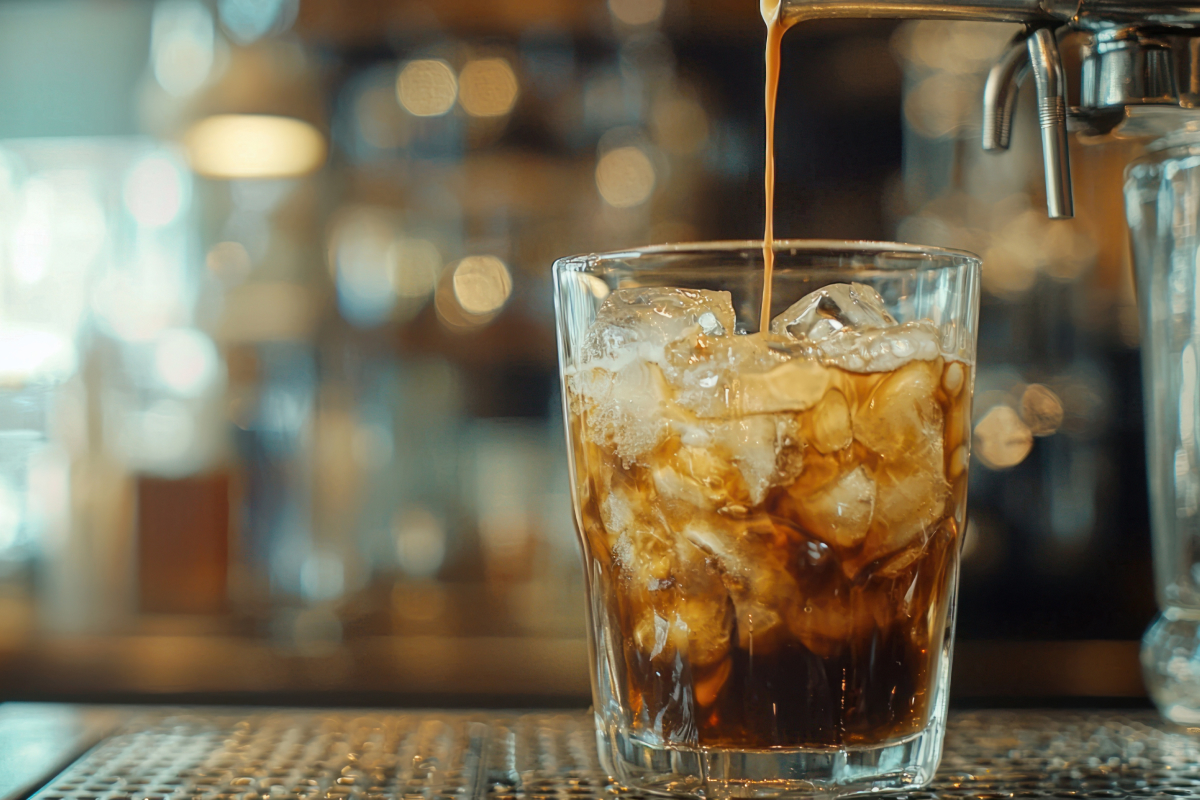
- Iced pour over: Brew your pour over directly over ice for a refreshing cold coffee.
- Inverted method (Aeropress): Steep your coffee grounds in an inverted Aeropress before pressing for a fuller-bodied cup.
- Hoffman method: A two-part pour over technique that aims to enhance sweetness and balance.
- 4:6 method: A multi-stage pouring technique that allows for greater control over extraction.
For a truly exceptional pour over experience, consider using a vertically integrated coffee system that ensures quality control from farm to cup.
Conclusion
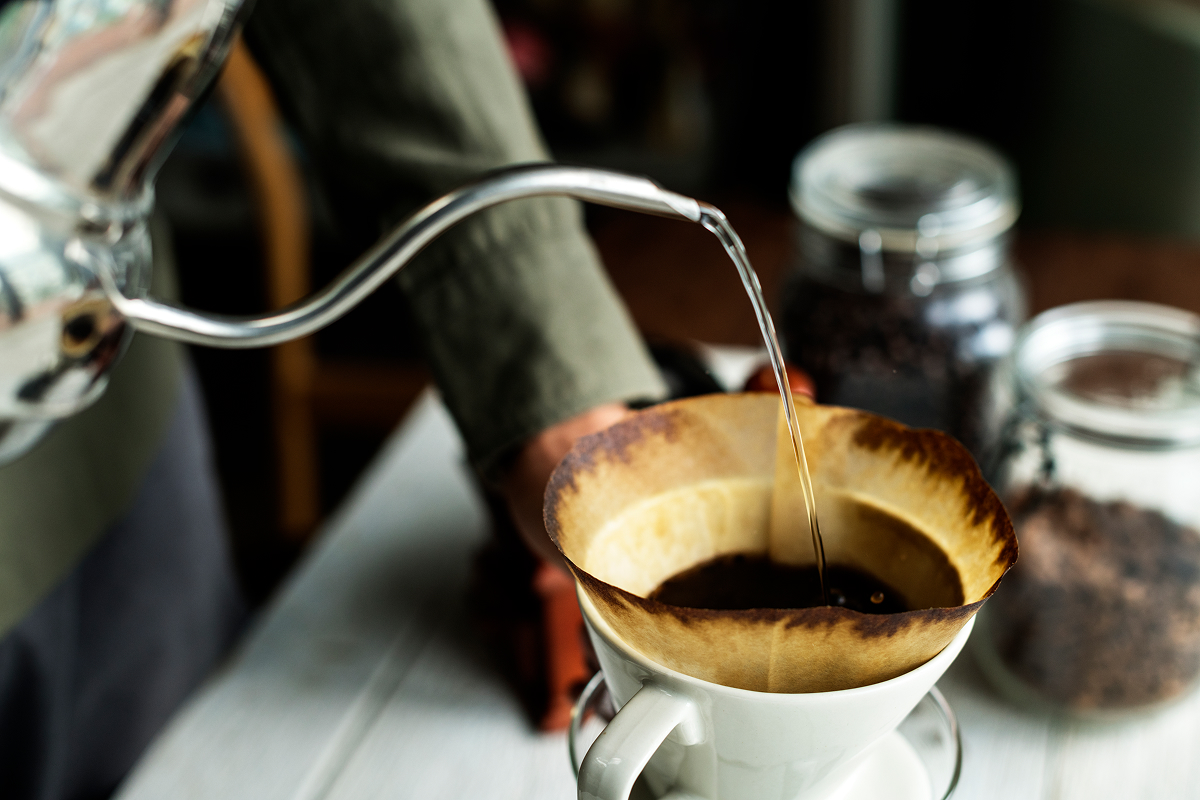
Brewing pour over coffee is a rewarding and enjoyable experience that allows you to customize your cup to your preferences. By understanding the variables involved and experimenting with different techniques, you can create a delicious pour over coffee that rivals any coffee shop. Remember, the key to success is patience, practice, and a willingness to experiment.
As you embark on your pour over journey, keep in mind the potential disconnects in the coffee futures market and their impact on coffee prices and availability.
Frequently Asked Questions
Can I use pre-ground coffee for pour-over?
While freshly ground coffee is ideal, you can use pre-ground coffee in a pinch. However, the grind size may not be optimal, and the coffee may lose some of its flavors due to oxidation.
How long does pour-over coffee stay fresh?
Brewed pour-over coffee is best consumed immediately. If stored in an airtight container, it can remain fresh for up to 30 minutes.
Can I reuse paper filters?
Paper filters are designed for single use and should be discarded after each brew. Reusing paper filters can lead to off-flavors and clogging.
What’s the best coffee-to-water ratio for pour-over?
A good starting point is a 1:16 coffee to water ratio (e.g., 25g coffee to 400ml water). Adjust the ratio to your taste preferences.
How can I make my pour-over coffee less bitter?
To reduce bitterness, try using a coarser grind size, lowering the water temperature slightly, or adjusting your pouring technique to avoid over-extraction. Ensuring even saturation of the grounds can also help prevent bitterness.
By following this ultimate guide to brewing pour over coffee, you’ll be well on your way to crafting the perfect cup every time. Happy brewing!
Main Points
| Main Point | Описание |
|---|---|
| Equipment | Essential equipment for pour over brewing includes a gooseneck kettle, pour over dripper, filters, burr grinder, and digital scale. |
| Coffee Selection | Choose high-quality, freshly roasted coffee beans. Consider single origin vs. blends, roast levels, and coffee freshness. |
| Grind Size | Use a medium-fine grind size for optimal extraction. Grind just before brewing for maximum freshness. |
| Water Quality & Temperature | Use filtered water heated to 195-205°F (90-96°C). Maintain a 16:1 water to coffee ratio. |
| Brewing Process | Rinse filter, add ground coffee, and pour water in stages (blooming, secondary, and final pours) for even extraction. Total brew time should be 3-4 minutes. |
| Pour Over Techniques | Experiment with pulse pouring, continuous pouring, Rao spin, and agitation to fine-tune your brew. |
| Troubleshooting | Adjust grind size, water temperature, and pour technique to address issues like bitterness, acidity, or weak flavor. |
| Variations & Recipes | Try iced pour over, inverted Aeropress method, Hoffman method, or 4:6 method for different flavor profiles. |
| Вертикально интегрированная система | Consider using a vertically integrated coffee system for exceptional quality control from farm to cup. |
| Coffee Futures Market | Stay informed about potential disconnects in the coffee futures market and their impact on coffee prices and availability. |
