
Your Ultimate Guide To Dark Roast vs Light Roast Coffee
Discovering your ideal coffee roast can often feel like navigating through a maze of flavors, aromas, and textures. But fear not! We’re here to guide you through the differences between dark roast and light roast coffee, helping you find that perfect cup that wakes you up in the morning or soothes your soul during a quiet evening.
From the influence of roasting techniques on flavor profiles to the impact of coffee technology, let’s embark on this flavorful journey together.

Key Differences Between Light and Dark Roast Coffee
Choosing between light roast and dark roast coffee isn’t just about picking a stronger or milder cup. It’s about discovering an entirely different coffee experience.
Every roast unlocks a unique combination of flavors, aromas, textures, and brewing possibilities, transforming the very same coffee bean into something completely new. From bright, fruity notes that burst with complexity to rich, smoky flavors that linger long after your last sip, each roast has its own personality.
| Aspect | Light Roast | Dark Roast |
| Flavor | Fruity, floral | Bold, rich, slightly bitter or chocolate |
| Acidity | Higher | Lower |
| Body | Lighter | Fuller, sometimes oily |
| Caffeine (by weight) | Slightly more | Slightly less |
| Caffeine (by volume) | Less (beans are denser) | More (beans expand more) |
| Ideal Brewing Method | Pour-over, Aeropress | Espresso, French Press |
Neither roast is objectively better—no matter what some baristas and aficionados may say. They simply highlight different qualities of the coffee bean. If you enjoy bright, complex flavors with vibrant acidity, a light roast may become your go-to. If you prefer a smooth, bold cup with deep roasted notes, dark roast is likely the better choice.
Understanding the Flavor Profiles of Light and Dark Roast
If you enjoy tasting the unique qualities of the coffee’s origin, a light roast is often the better choice. Because the beans spend less time in the roaster, they retain more of their natural flavors. Depending on where the coffee was grown, you might notice bright citrus, berries, floral notes, or even hints of tea and honey. Light roasts also have a crisp acidity that gives the coffee a lively, refreshing finish.
Dark roast coffee takes a different approach. As the roasting time increases, the bean’s natural flavors become less pronounced, making room for richer notes created by caramelization and deeper roasting. The result is a fuller-bodied cup with flavors of dark chocolate, caramel, toasted nuts, molasses, or smokiness. Dark roasts also have a smoother, less acidic finish, making them a popular choice for people who enjoy a bold, comforting cup of coffee.
Does Light or Dark Roast Coffee Have More Caffeine?
When it comes to caffeine, the difference between light and dark roast coffee may surprise you. While dark roast often tastes stronger, that bold, smoky flavor doesn’t necessarily mean it packs more caffeine. The roasting process changes the bean’s size, weight, and flavor profile, but the caffeine content stays relatively similar.
The small differences come down to how you measure your coffee:
- By weight: Light roast coffee has a slight caffeine advantage because the beans are denser and lose less mass during roasting.
- By volume: Dark roast coffee can have slightly more caffeine because the beans expand during roasting, meaning a scoop may contain more beans.
- In your daily cup: Your brewing method and serving size have a much bigger impact on caffeine than choosing light or dark roast.
So, whether you’re sipping a bright, citrusy light roast or a deep, chocolatey dark roast, both can deliver the morning boost you’re looking for. The real difference comes down to the experience you want from your coffee: the lively sparkle of a lighter roast or the rich, comforting warmth of a darker one.

The Art and Science Behind Roasting Light and Dark Coffee
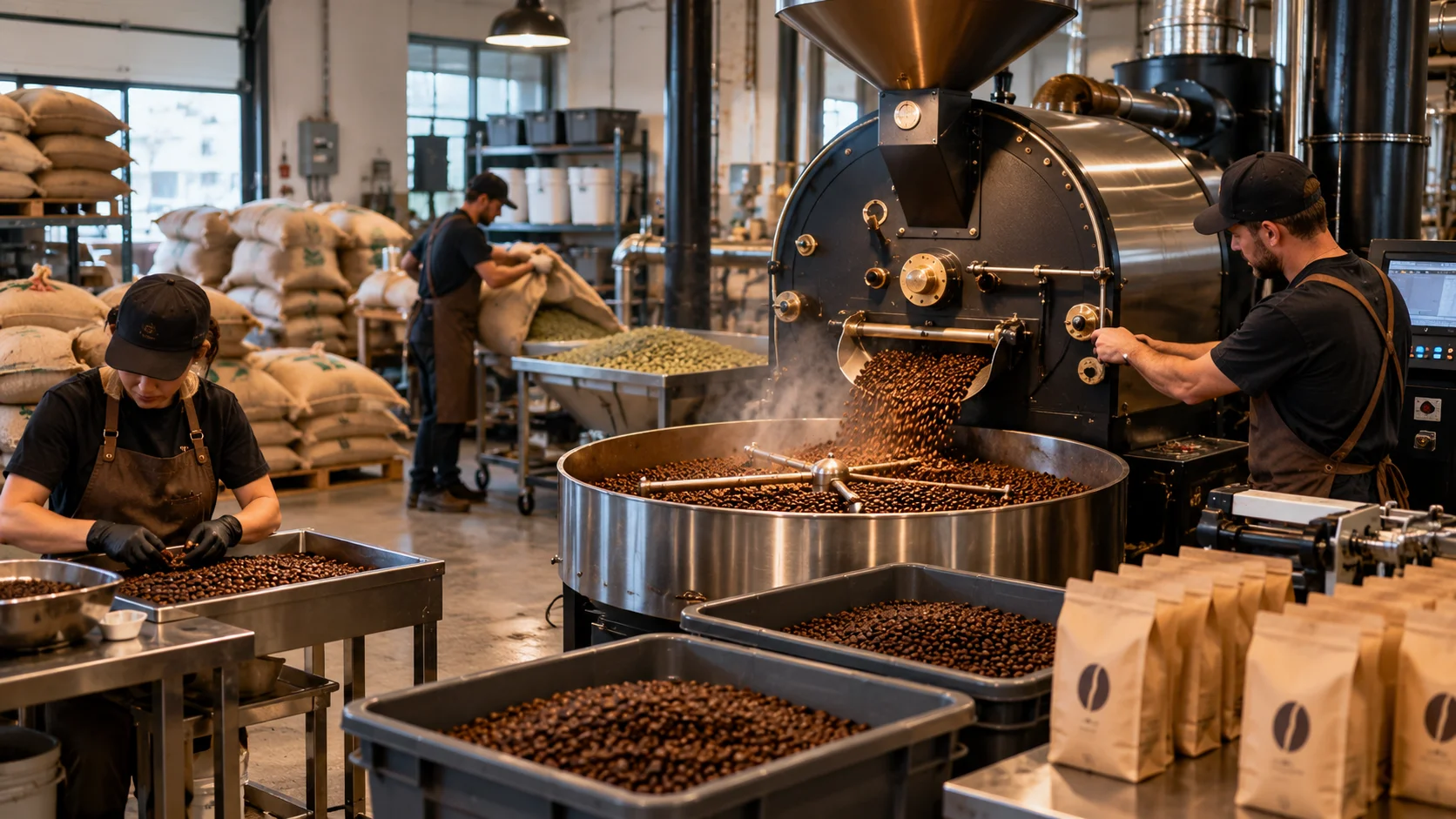
Before coffee beans become the rich, aromatic brew in your favorite mug, they go through a transformation that blends chemistry, craftsmanship, and a little bit of magic. Coffee roasting is the process of taking green coffee beans and carefully applying heat to unlock the flavors, aromas, and textures hidden inside.
According to the National Coffee Association, roast level is one of the key factors that influences a coffee’s overall flavor profile, along with the bean’s origin, processing method, and brewing technique.
Understanding Roast Levels
The roast level refers to how long coffee beans are roasted and the temperature they reach during the process.
- Light Roast: Often called a “cinnamon roast” or associated with the first crack stage, these beans are light brown with little to no oil visible on the surface. They preserve more of the bean’s natural characteristics, allowing flavors like citrus, berries, flowers, and honey to shine through.
- Dark Roast: These beans spend more time in the roaster, developing a dark brown to nearly black color with a shiny surface caused by oils rising to the exterior. The longer roast creates deeper flavors like dark chocolate, toasted nuts, caramel, and smoky richness.
How Roasting Influences Flavor
Think of the roasting process as the moment when coffee’s personality comes to life. A shorter roast highlights where the bean came from, while a longer roast emphasizes the flavors created through heat and caramelization.
- Light roasts keep the coffee’s original character front and center, offering a vibrant cup with crisp acidity and complex flavors.
- Dark roasts create a fuller-bodied experience with bold, comforting flavors and a smoother finish.
Neither roast is the “right” choice—it all depends on what kind of coffee adventure you’re looking for. Whether you want a cup that tastes like a walk through a tropical orchard or one that feels like a cozy evening by the fire, the roasting process is what makes that experience possible.
Dark Roast vs Light Roast FAQs
Q: Which roast is better for health?
A: Both roasts offer health benefits, including antioxidants. Your choice should depend on personal preference and any specific dietary needs.
Q: Can I use dark roast beans in a drip machine?
A: Absolutely! While coffee technology like thermoblock machines are great for espresso, dark roast beans can also produce delicious drip coffee.
Q: Does the roast level affect how I should grind my coffee?
A: Yes, typically, light roasts are better with a slightly finer grind, while dark roasts work well with a coarser grind. The right grind size can be crucial for the perfect extraction.
Q: Where can I learn more about different coffee-making methods?
A: To dive deeper into the world of coffee, including various brewing methods, check out our insights on coffee.
In conclusion, whether you lean towards the boldness of dark roast or prefer the subtle complexities of light roast, there’s a coffee out there for everyone. With advancements in coffee roasting and brewing technology, experimenting with different roasts and methods has never been easier. Embrace your curiosity and let your taste guide you through the richly diverse world of coffee.
| Aspect | Light Roast | Dark Roast |
|---|---|---|
| Flavor | Fruity, floral | Bold, rich, slightly bitter or chocolate |
| Acidity | Higher | Lower |
| Body | Lighter | Fuller, sometimes oily |
| Caffeine (by weight) | Slightly more | Slightly less |
| Caffeine (by volume) | Less (beans are denser) | More (beans expand more) |
| Ideal Brewing Method | Pour-over, Aeropress | Espresso, French Press |
